April 23, 2026
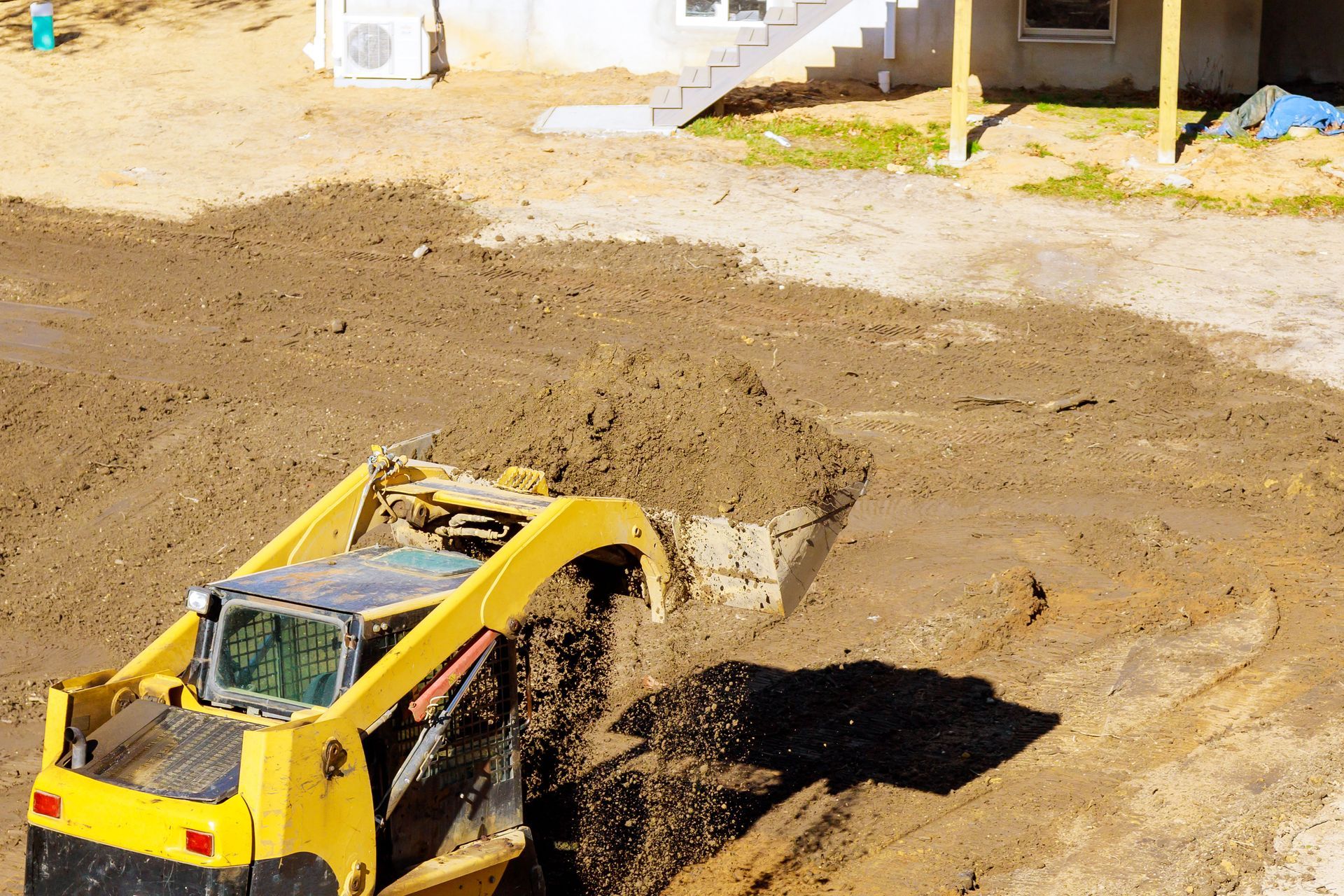
Modern financial markets operate at a pace and scale that demand fast execution, broad market access, and dependable digital infrastructure. Online trading platforms have become central to how individuals and institutions participate in global markets, offering access to multiple asset classes through a single interface. As technology continues to evolve, AI-driven tools and automated systems are reshaping how trades are analyzed, executed, and managed, making trading more efficient and accessible than ever before. In a similar way that land grading services shape and structure physical environments for stability, financial platforms structure digital environments for performance and clarity.
Efficient Online Trading Platforms
Streamline Platform Functions
Online trading platforms serve as digital environments where users can buy and sell financial instruments across global markets. These platforms act as intermediaries, connecting traders to liquidity providers and enabling real-time execution of orders. They also provide essential tools such as charting systems, order management features, and market data feeds that help users make informed trading decisions. Just as land grading services establish a stable foundation for physical projects, these platforms establish structured access to financial markets. They also help reduce fragmentation across trading activities.
Expand Market Access
Through a single platform, traders can gain exposure to a wide range of financial markets, including currencies, equities, commodities, indices, bonds, exchange-traded funds, and cryptocurrencies. This level of accessibility allows users to diversify their portfolios and participate in different market conditions without needing multiple accounts or systems. Market participation becomes more streamlined and efficient as a result. In the same way that land grading services prepare terrain for multiple uses, trading platforms prepare digital access for multiple asset classes. According to Lawn Love, proper land grading enhances drainage on flat yards, with a recommended slope of at least 2 degrees to ensure effective water runoff.
Advanced Artificial Intelligence Trading Systems
Improve Execution Systems
Artificial intelligence is increasingly used in trading infrastructure to improve execution speed and order handling. AI systems can analyze market conditions in real time and route trades to optimal liquidity sources, helping improve pricing efficiency and reduce delays in order fulfillment. This level of automation supports faster and more accurate trading operations. In the same structural sense, land grading services organize uneven landscapes into efficient and functional layouts.
Analyze Market Data
AI-based tools can process large volumes of market data to identify patterns, trends, and potential trading opportunities. These insights support traders by offering data-driven perspectives that complement traditional technical and fundamental analysis methods. Decision-making becomes more informed and responsive to changing conditions. Just as land grading services prepare physical spaces for predictable water flow and stability, analytical systems prepare data for clearer interpretation.
Diverse Trading Instruments Available
Trade Forex and Currency Markets
Forex trading involves the exchange of global currencies and remains one of the most actively traded financial markets. Traders participate in currency pairs, speculating on price movements driven by economic data, geopolitical events, and market sentiment. This market operates continuously across global sessions. Land grading services, much like structured financial systems, rely on precision and balance to ensure stability across shifting conditions.
Trade Stock and Equity Markets
Equity trading provides access to shares of publicly listed companies. Traders can engage in price movements of individual stocks, benefiting from both short-term volatility and long-term market trends. This creates opportunities across different investment horizons. Land grading services similarly create structured foundations that support both immediate usability and long-term development.
Structured Trading Account Systems
Organize Tiered Accounts
Many modern trading platforms offer tiered account types designed to match different trading styles and experience levels. These accounts may vary based on spreads, commission structures, and execution conditions. A structured approach allows users to select configurations aligned with their needs. In the same way, land grading services apply structured adjustments to create balanced and usable outcomes.
Adjust Pricing Models
Different account types can offer varying pricing models, including spread-based or commission-based structures. Execution priority and trading conditions may also differ depending on account level and platform design. This creates flexibility across user groups. Land grading services similarly adjust methods based on project requirements and environmental conditions.
Modern Trading Technology Tools
Access Web and Mobile Interfaces
Modern platforms typically offer web-based and mobile applications, enabling users to access markets from virtually any location. These interfaces are designed to provide real-time pricing, order execution, and portfolio tracking. Accessibility is a key component of modern trading systems. Land grading services similarly improve accessibility by shaping environments for practical use.
Operate Professional Platforms
Some platforms integrate widely used professional systems such as MetaTrader 5, which provide advanced charting tools, algorithmic trading capabilities, and customizable indicators for technical analysis. These systems support more advanced trading strategies. They also enhance precision and control for experienced users. Land grading services likewise apply precision methods to achieve structured and usable outcomes.
Secure Financial Operations and Account Management
Process Deposits and Withdrawals
Online trading platforms typically support digital deposit and withdrawal systems that allow users to fund accounts and access profits through streamlined payment processes. These systems are designed for efficiency and dependability. Financial movement is managed through structured systems that support user needs. Land grading services also rely on structured processes to ensure controlled and consistent outcomes.
Verify Accounts and Maintain Compliance
To maintain secure trading environments, platforms implement identity verification processes and compliance systems designed to meet financial regulatory requirements and reduce fraudulent activity. These measures help maintain operational integrity across platforms. Security frameworks are essential to stable financial environments. Land grading services similarly require structured planning to ensure safe and compliant project execution.
Structured Affiliate and Partner Programs
Launch Referral Programs
Some trading platforms offer referral systems that allow users or partners to earn commissions by introducing new clients to the platform. These programs expand platform reach through structured incentives. Participation is typically tracked through dedicated systems. Land grading services operate differently but similarly rely on structured frameworks to support organized outcomes.
Track Performance Systems
Affiliate systems often include tracking tools that monitor referrals, conversions, and activity performance, ensuring accurate commission attribution. These systems provide transparency across partner networks. Performance tracking helps maintain consistency in reporting. Land grading services also depend on precise measurement systems to ensure accurate project execution.
Expanded Market Access and Trading Infrastructure
Enable Continuous Market Access
Many financial markets operate across different time zones, and trading platforms provide near-continuous access to global instruments, enabling users to respond quickly to market changes. This ensures flexibility in trading activity. Access remains a key advantage of modern platforms. Land grading services also emphasize structured access by preparing environments for consistent usability.
Balance Diversification Opportunities
Access to multiple asset classes allows traders to diversify their exposure and manage risk more effectively across different economic sectors and market conditions. Diversification supports more balanced participation in markets. It helps reduce dependency on a single asset class. Land grading services similarly create balanced environments by distributing structural weight across a stable foundation.
Integrate Trading Ecosystems
Modern platforms combine execution systems, analytics, and account management into unified ecosystems designed to streamline the trading experience from analysis to execution. These systems reduce complexity for users while improving efficiency. Integration is a key feature of modern financial infrastructure. Land grading services similarly integrate multiple techniques to create cohesive and functional physical environments.
Advanced trading platforms have become essential to modern financial markets by bringing together global market access, execution systems, and analytical tools within a unified digital environment. As technology and AI continue to evolve, traders gain from faster order handling, clearer market insights, and more efficient ways to engage with a wide range of assets. These platforms are designed to simplify participation while supporting different experience levels through structured accounts and integrated tools. To learn more, explore Great Lakes Excavating.