October 15, 2026
Concrete demolition requires careful planning, specialized equipment, and a strong focus on safety. From evaluating the site to removing debris and preparing the area for its next use, each stage plays an important role in a successful project. A concrete demolition company uses a systematic approach to manage hazards, protect surrounding structures, control waste, and keep the work moving efficiently.
Assessing the Demolition Project
Evaluating the Site
A thorough site assessment provides the foundation for safe demolition. Professionals examine access points, surrounding structures, existing conditions, and potential hazards before work begins. They may also look for materials that require specialized handling. This information helps the concrete demolition company develop a realistic timeline, determine equipment needs, and identify potential challenges before they affect the project.
Evaluating the Concrete
The type and condition of the concrete influence how it should be removed. Thickness, reinforcement, age, location, and structural condition can all affect the equipment and techniques selected. Understanding these factors allows crews to determine whether mechanical demolition, cutting, manual removal, or a combination of methods will provide the safest and most efficient results.
Evaluating Structural Conditions
Structural assessments help determine how removing one section of concrete could affect nearby areas. Engineering surveys may identify load-bearing components, connected structures, or other conditions that require special attention. This information helps crews establish a controlled demolition sequence and reduce the possibility of unintended damage.
Defining Project Requirements
Every demolition project has different goals, deadlines, access limitations, and site conditions. Discussing these requirements with the client allows the concrete demolition company to create a plan suited to the project. Establishing a clear scope also helps prevent misunderstandings and keeps expectations aligned throughout the work.
Planning the Demolition Work
Developing the Demolition Plan
A detailed demolition plan establishes how the work will be performed from beginning to end. It can outline the sequence of removal, equipment requirements, safety procedures, debris handling, and contingency plans. Careful preparation gives crews a clear process to follow while allowing project managers to respond to unexpected conditions.
Meeting Regulatory Requirements
Demolition work must follow applicable safety, environmental, and disposal regulations. A professional concrete demolition company considers these requirements before work begins rather than treating compliance as an afterthought. Proper permits, safety procedures, material handling practices, and disposal methods help keep the project on track and protect workers and the surrounding community.
Preparing Equipment and Resources
Having the right equipment and personnel available can significantly improve efficiency. Excavators, breakers, saws, loaders, and other specialized tools may be selected based on the size and location of the concrete. Proper resource planning reduces unnecessary downtime and allows crews to handle materials in an organized manner.
Establishing Safety Procedures
Safety planning is central to every demolition project. Crews may use protective equipment, restricted work zones, equipment inspections, site briefings, and other safeguards to reduce risks. Emergency procedures should also be established so workers know how to respond if unexpected structural, equipment, or environmental issues occur.
Planning for Waste Management
Concrete demolition can produce substantial amounts of debris, making waste management an important part of project planning. According to World Metrics, construction and demolition waste constitutes 30% of all waste hauled in roll-off dumpsters. Sorting, transporting, recycling, and properly disposing of materials can reduce landfill waste while keeping the site organized.
Selecting Demolition Techniques
Using Manual Removal
Manual demolition can be useful when crews need precise control or when concrete is located near sensitive structures. Hand tools allow workers to remove smaller sections carefully while minimizing disturbance to surrounding areas. This approach may also be combined with mechanical methods when a project contains areas that require extra precision.
Using Mechanical Equipment
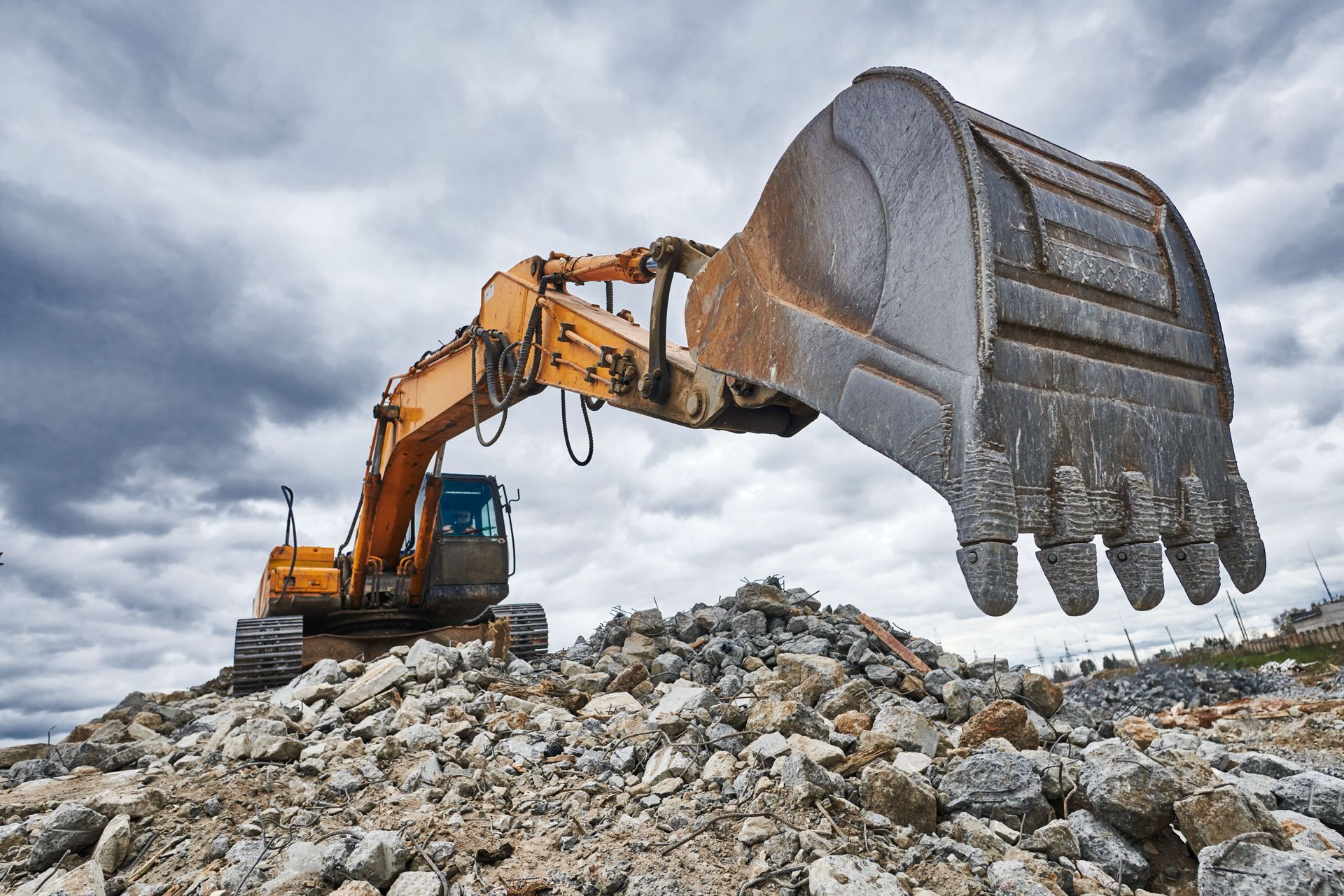
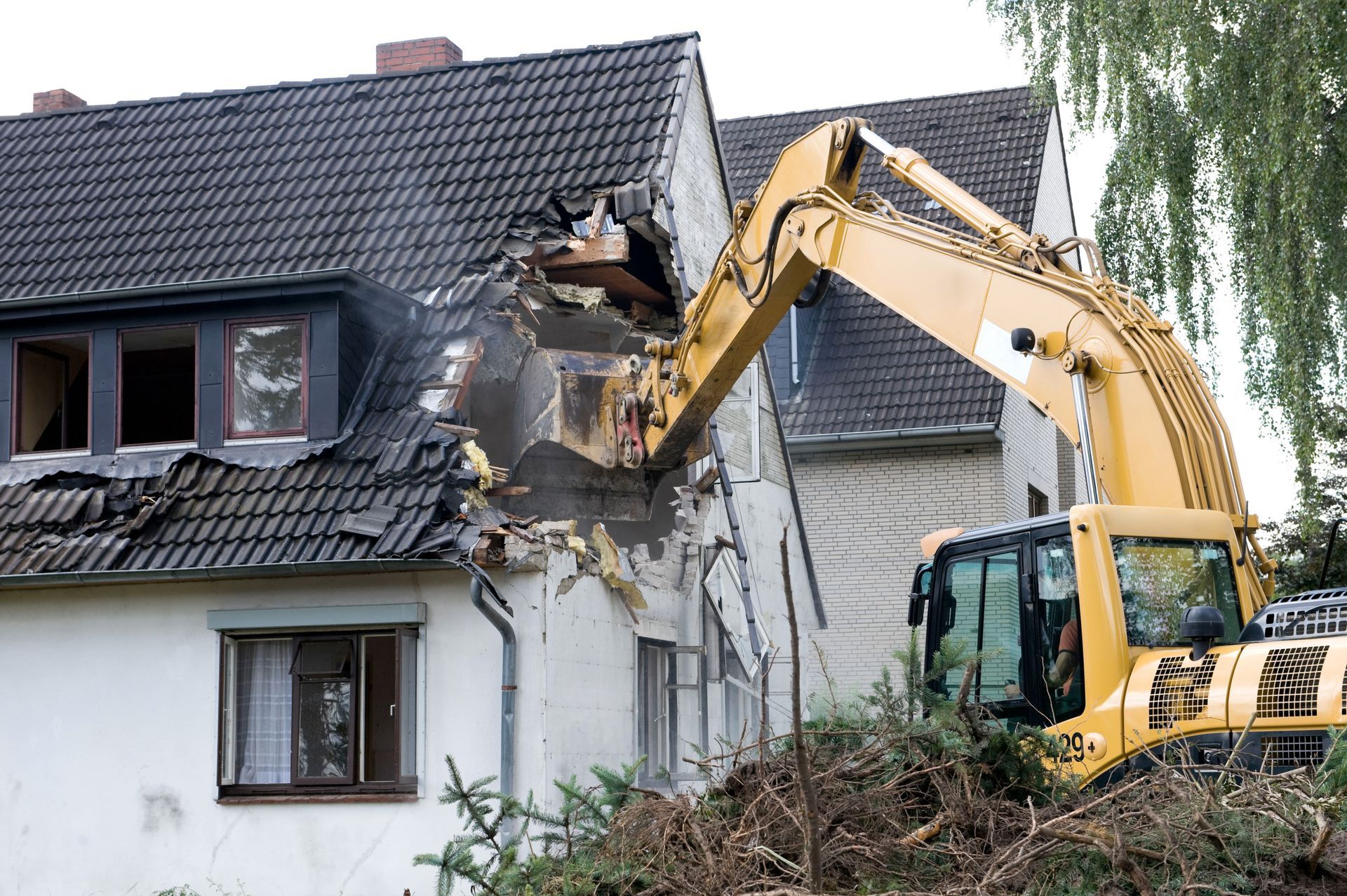
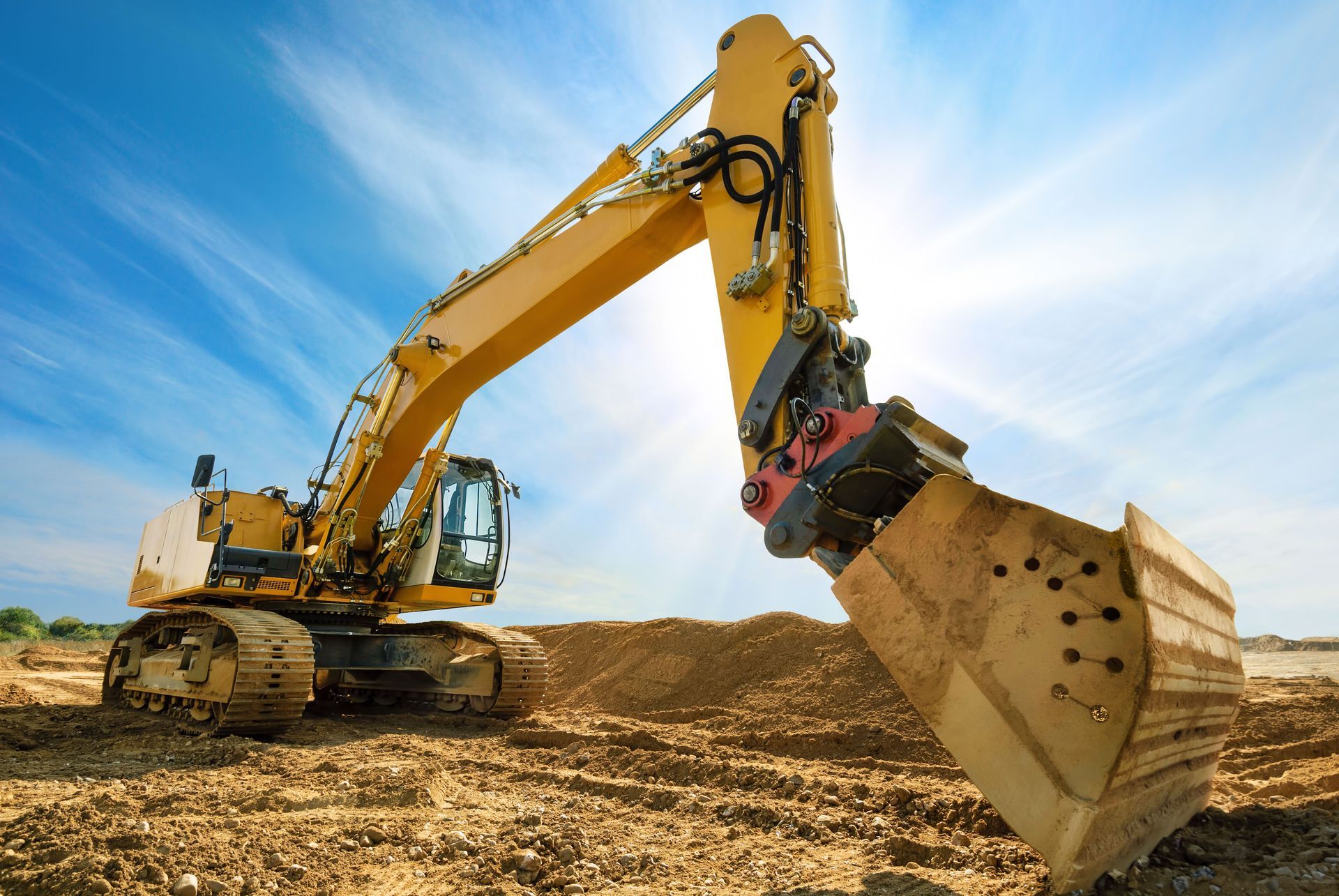
Mechanical demolition is often the most efficient choice for larger concrete structures and surfaces. Excavators and specialized attachments can break apart and remove substantial sections more quickly than manual labor alone. Equipment selection depends on the project's size, accessibility, concrete characteristics, and surrounding conditions.
Using Precision Cutting
Concrete cutting methods can provide greater control when specific sections need to be removed without disturbing nearby materials. Diamond saws and similar technologies can create precise cuts while helping crews manage the demolition sequence. These techniques are especially useful when accuracy is more important than simply removing material as quickly as possible.
Using Advanced Technology
Modern technology can improve planning, monitoring, and execution. Three-dimensional models, drones, and other digital tools can provide additional information about site conditions. In certain high-risk applications, remote-controlled equipment can also allow workers to operate machinery from safer positions. Technology gives the concrete demolition company additional ways to improve both precision and safety.
Executing the Demolition Process
Sequencing the Work
The order in which concrete is removed can affect both safety and efficiency. Crews typically follow the established demolition plan and remove sections in a controlled sequence. Proper staging prevents unnecessary congestion and helps ensure that debris does not interfere with equipment or remaining structures.
Monitoring Site Conditions
Conditions can change once demolition begins, so crews need to monitor the site throughout the process. Unexpected cracks, unstable sections, buried materials, or equipment limitations may require adjustments. Ongoing observation allows the concrete demolition company to respond to changing conditions instead of continuing with an approach that may no longer be appropriate.
Maintaining Communication
Clear communication keeps workers, project managers, clients, and other involved parties informed. Regular updates can address progress, changing conditions, scheduling concerns, and safety matters. Strong coordination reduces confusion and helps everyone understand what is happening at each stage of the project.
Preparing for Emergencies
Even carefully planned demolition work can present unexpected challenges. Emergency response procedures give crews a defined way to address injuries, equipment problems, structural concerns, or other hazards. Preparation helps limit the impact of an incident and supports a safer working environment.
Completing the Removal
Once the planned concrete has been removed, crews verify that the work meets the project's requirements. Remaining debris is cleared, the area is inspected, and any necessary site restoration begins. Completing these steps carefully helps transition the property toward its next phase of construction or use.
Managing the Post-Demolition Site
Cleaning the Site
Site cleanup is an important part of completing a demolition project. Crews remove remaining concrete, organize debris, and address materials that could interfere with future construction. A clean and orderly site provides a better starting point for whatever work comes next.
Inspecting the Results
Post-demolition inspections help confirm that the intended concrete was removed and that surrounding structures remain in the expected condition. These reviews can also identify areas requiring additional cleanup, preparation, or corrective work before the project moves forward.
Managing Recyclable Materials
Concrete and other materials may have opportunities for recycling or reuse depending on their condition and local requirements. Separating materials during cleanup can make disposal more efficient and support responsible waste management. Proper handling also helps reduce the amount of material sent to landfills.
Documenting the Project
Project documentation provides a record of the work completed, materials handled, and requirements addressed. Records may include permits, inspection information, disposal documentation, and project details. Maintaining accurate records supports transparency and provides useful information for future construction activities.
Choosing the Right Demolition Partner
A successful concrete demolition project depends on more than simply breaking and removing concrete. Careful assessment, detailed planning, appropriate equipment, responsible waste management, and ongoing safety monitoring all contribute to better results. Choosing an experienced concrete demolition company gives property owners and contractors a partner capable of addressing the many factors involved in the process.
For professional concrete demolition services backed by careful planning and efficient execution, contact Great Lakes Excavating to discuss the needs of your upcoming project. A knowledgeable team can help evaluate the site, determine an appropriate approach, and move the property toward its next stage safely and efficiently.