October 10, 2026
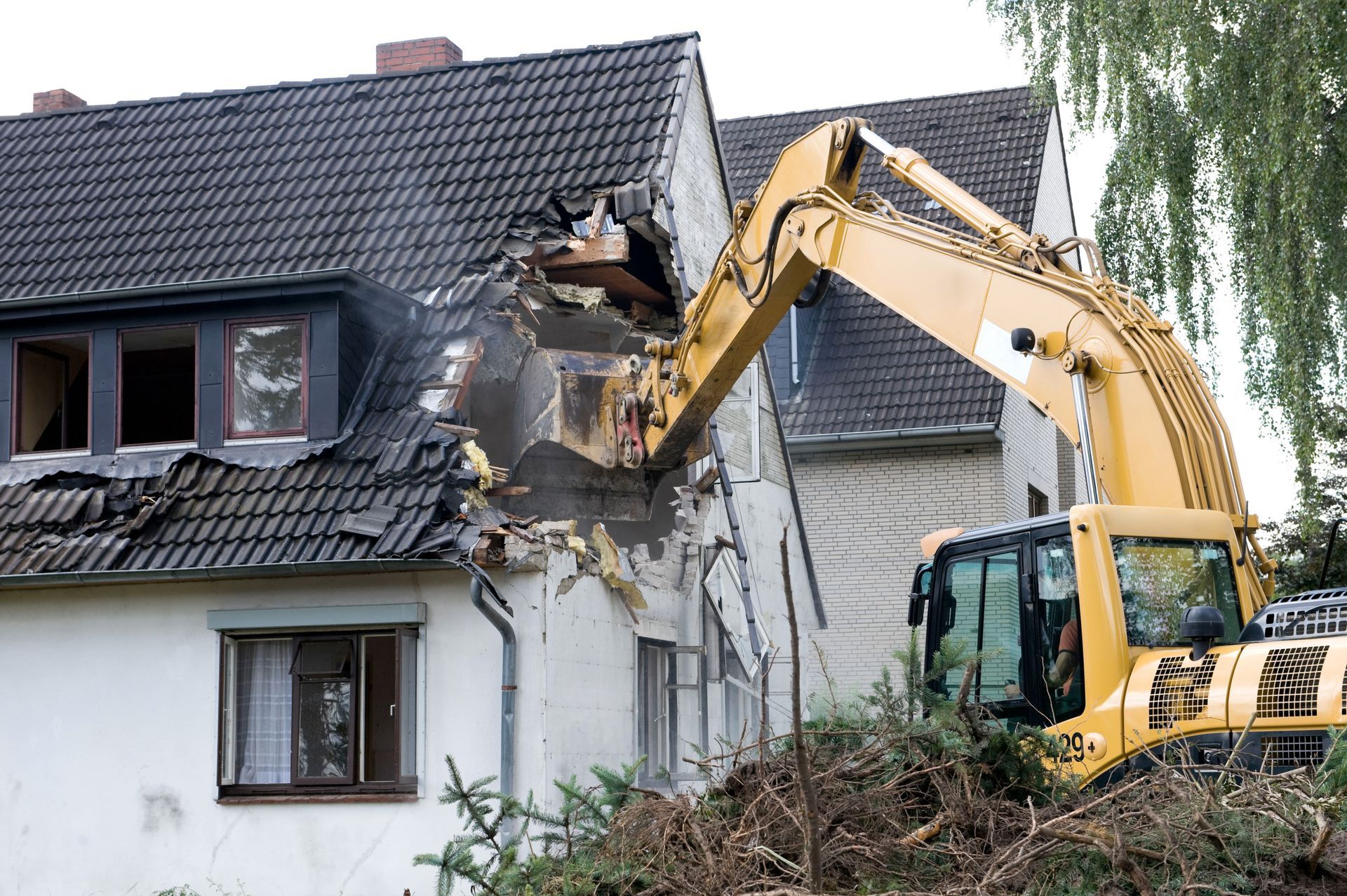
Demolition work involves far more than simply knocking down a standing building and hauling off the old debris. Preparing the site, clearing away massive obstacles, and stabilizing the ground require heavy machinery, precise technique, and steady expertise. These earthmoving techniques keep workers safe while managing heavy hazards on the ground. Professional operators know how to handle delicate subterranean structures before major machinery rolls into position, setting your project up for success.
Clearing Ground Structures Safely
Before heavy machinery can dismantle a building, workers must carefully clear away surrounding concrete and asphalt paving. Tearing up driveways, sidewalks, and parking pads takes real muscle and specialized machinery. A seasoned excavation company uses heavy equipment to crack through dense slabs and sweep away hardscape elements that sit around the primary building footprint. Using heavy equipment to break up these dense surfaces makes clearing flat concrete features much faster and far safer for everyone involved.
Digging deep into the soil around the foundation walls relieves pressure on underground utility lines during the teardown. Workers must expose gas pipes, electrical conduits, and water main hookups so utility workers can disconnect them safely. Proper location techniques keep these vital connections intact until crews can shut them down safely. An experienced excavation company handles this precise earthmoving work to protect surrounding neighborhoods from utility disruptions. Uncovering underground utilities early reduces the risk of accidental strikes during heavy mechanical operations.
Removing overgrown root systems and stubborn tree stumps near the main structure keeps the ground stable while large rigs move around. Large tree roots easily tangle with underground footings, making structural teardown much more unpredictable if left untouched. Skilled crews pull those massive roots out completely to clear clean paths for heavy machinery. Smooth ground access allows large machinery to maneuver around the perimeter without slipping or tipping over.
Managing Waste Removal Swiftly
Once the top structure comes down, massive piles of concrete, metal, and wood blanket the entire job site. Heavy mechanical shovels load huge mounds of rubble directly into large haul trucks to keep the workspace clear and safe. An active excavation company manages these massive debris piles daily so ground crews can move freely across the site. Sorting bulky materials as they get loaded keeps the entire site clean and organized.
According to Waste Advantage Magazine, over 95% of construction and demolition waste materials are successfully recovered. Heavy buckets break apart mixed materials into sorted piles right on the ground. Sorting materials directly on site streamlines downstream processing and boosts overall recycling rates. Separating clean concrete from steel beams and wooden framing helps transfer stations process incoming loads quickly. Sorting items as they come down keeps excess material out of regional landfills.
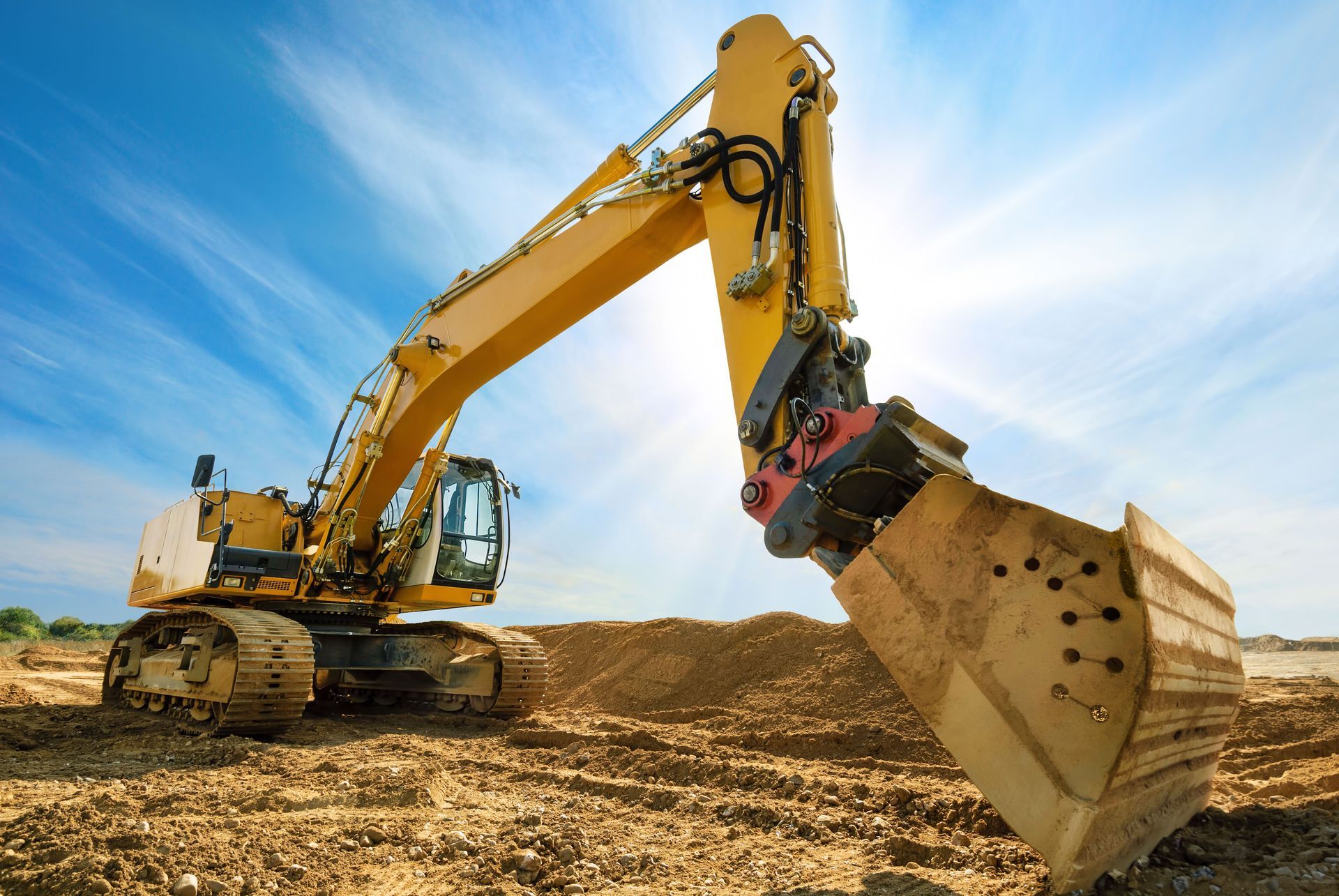
Removing subterranean debris like buried septic tanks, broken pipes, and old foundations requires serious earthmoving capacity. Leaving old underground structures behind can cause major ground settling issues for whatever gets built next. Earthmoving teams dig down several feet to lift out every hidden concrete vault or abandoned pipe. Comprehensive underground cleanups create a completely clean slate for future building projects.
Stabilizing Earth Formations Firmly
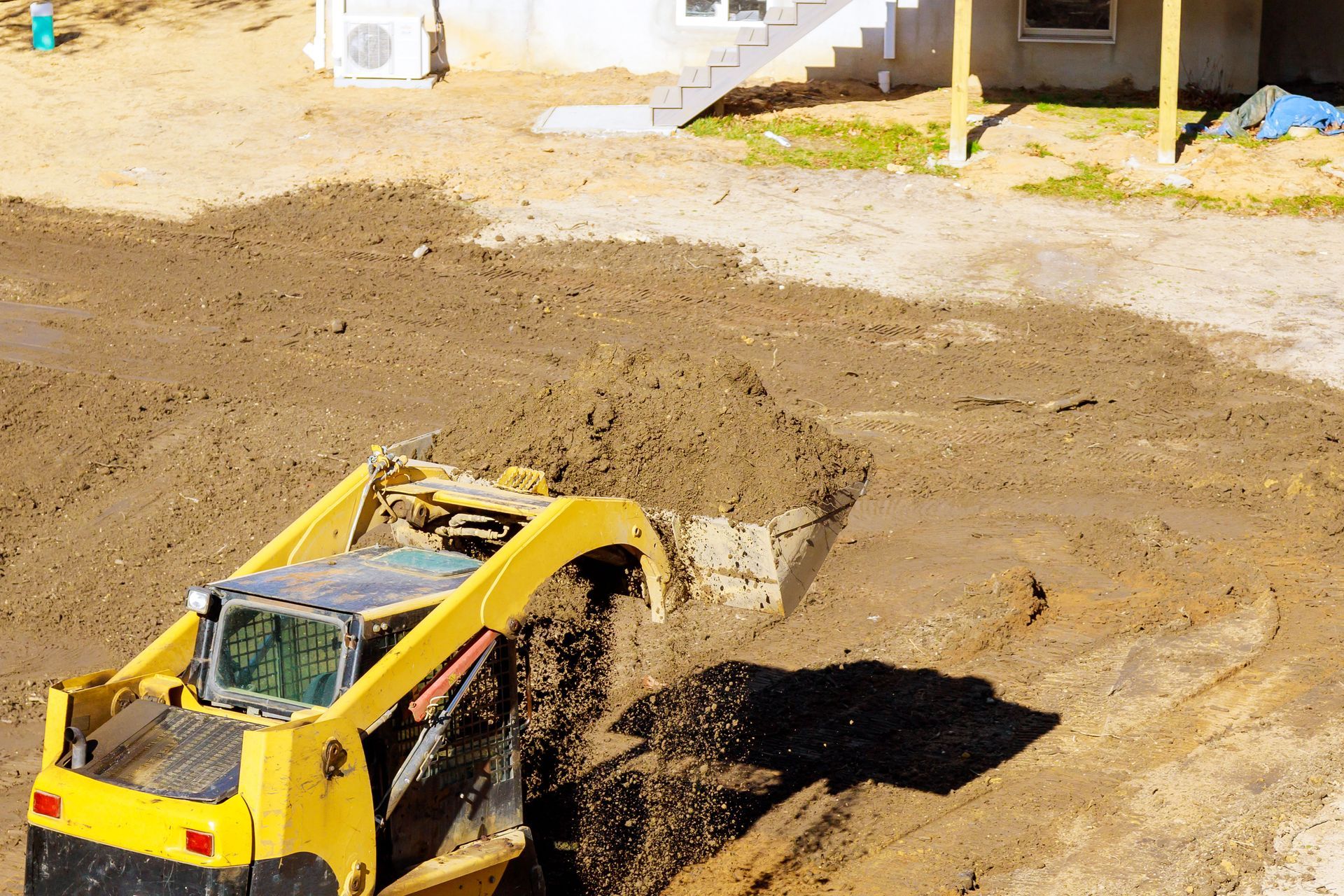
Tearing down heavy brick or concrete structures creates massive voids in the ground where foundations used to sit. Leaving giant open holes in the earth causes major safety hazards and severe erosion issues during heavy rainstorms. A qualified excavation company will backfill these giant pits using tested soil, crushed stone, and recycled gravel layers. Packing fresh dirt back into subterranean voids prevents the surrounding lawn or pavement from caving in.
Compacting filled dirt in shallow layers prevents future settlement and keeps the ground completely solid. Heavy machinery rolls over each layer of dirt repeatedly to drive out trapped air pockets and loose moisture. Mechanical compactors apply massive pressure to bind dirt particles tightly together. Proper compaction transforms soft, freshly turned earth into a rock-solid pad capable of supporting heavy machinery. Solid ground conditions prevent severe slope failures and keep neighboring properties perfectly safe.
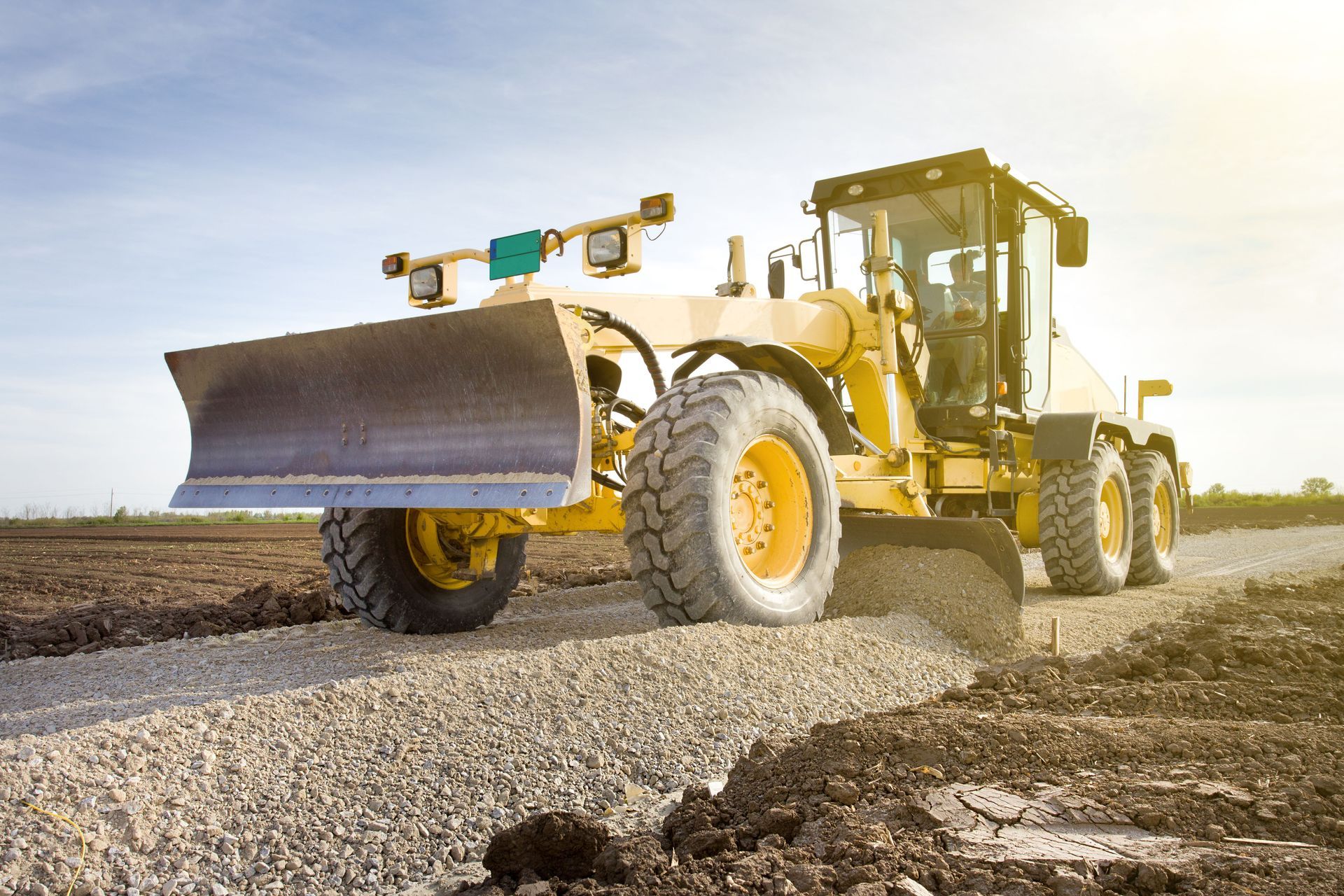
Regrading the surrounding land controls water runoff and prevents massive puddles from swamping the freshly cleared job site. Flat or poorly sloped ground collects rainwater quickly, turning fresh dirt into a deep mud pit. Skilled operators sculpt the top layer of dirt so rainwater flows away from adjacent roads and nearby structures. Proper surface grading protects the soil structure from washing away during heavy downpours.
Preparing Deep Foundation Spaces
Preparing a site for new construction often requires digging deep trenches right through the old foundation area. Digging beneath the old basement level reveals soft clay layers or loose sand that requires special treatment. A reliable excavation company digs out soft subsoil materials and replaces them with sturdy base aggregates. Swapping out weak soil layers early gives future foundations a solid base to rest on.
Shaping smooth slope walls along deep cuts prevents sudden dirt slides from collapsing back into the open pit. Steep dirt walls collapse easily when heavy trucks roll near the edge of an open trench. Safety protocols mandate specific benching or sloping angles based on soil density and moisture. Operators cut back the edges at soft angles or install protective trench boxes to keep crew members safe. Careful trench preparation creates safe, accessible working areas for subterranean work.
Levelling the basement pit creates a smooth floor space for upcoming construction crews to begin their work. Heavy buckets shave down high spots and fill in low spots with extreme precision across the footprint. Getting the subgrade level saves future crews time and money when pouring new concrete footings. Flat, predictable ground conditions make the transition from teardown to new construction seamless.
Protecting Nearby Property Boundaries
Dismantling a structure built close to property lines requires extreme care to avoid damaging neighboring lawns and buildings. Digging protective barrier trenches along boundary lines isolates the teardown zone from nearby yards. A skilled excavation company cuts clean channels through the soil to stop vibration waves from shaking neighboring foundations. Creating isolation breaks keeps nearby structures stable while heavy walls come down.
Installing sturdy silt fences along perimeter trenches traps loose dirt before wind or rain carries it off. Uncontrolled dirt runoff clogs storm drains and creates muddy messes on public roadways. Maintaining these fabric fences prevents fine sediment from washing into neighboring yards during storms. Ground crews dig narrow channels along fence lines to anchor filter fabric firmly into the soil base. Securing erosion control barriers keeps dirty runoff contained strictly within the designated work site.
Restoring boundary lines and filling in perimeter tracks leaves adjacent properties looking neat once heavy work finishes. Tracked machinery leaves deep ruts and packed pathways in the dirt as it travels across the site. Operators smooth out every vehicle track and spread fresh topsoil along property boundaries before packing up. Leaving a clean, level site gives property owners a fresh start for their next big plan.
Groundwork plays an essential role in every successful teardown project with an excavation company, from initial site clearing to final grading. Handling heavy debris, stabilizing loose soil, and protecting nearby boundaries sets the stage for future development. Proper earthmoving techniques turn messy teardown sites into clean, safe, and ready-to-build spaces every single time. Thorough preparation protects surrounding investments while setting up future construction projects for success. When you contact Great Lakes Excavating for your property needs, you'll pave the way for a successful teardown project from start to finish.