November 13, 2026
Concrete is one of the most durable building materials available, but it doesn't last forever. Driveways crack, patios sink, and old foundations eventually get in the way of new plans. When repairs no longer make sense, removing the old material is often the smartest path forward. Understanding why property owners choose removal can help you recognize when your own concrete has reached the end of its useful life.
Whether you manage a commercial lot or own a home with an aging driveway, the reasons for removal usually fall into a few predictable categories. Some involve visible damage, while others relate to safety, drainage, or future construction goals. Knowing these reasons ahead of time makes it easier to plan your budget, timeline, and next steps with confidence.
Cracked and Deteriorating Surfaces
Cracking is the most obvious sign that concrete is failing. Small hairline cracks are common and often harmless, but wide, spreading, or deep cracks usually point to deeper structural problems. In regions with cold winters, freeze-thaw cycles are a major culprit. Water seeps into tiny openings, freezes, expands, and slowly forces the concrete apart. Over several seasons, that process can turn a solid slab into a patchwork of broken pieces.
Deicing salts, heavy vehicles, and age also contribute to deterioration. You may notice spalling, where the top layer flakes or chips away, or scaling, where the surface becomes rough and pitted. Patching can buy some time, but repairs on badly worn concrete rarely hold up for long. At a certain point, a concrete removal service becomes the more cost-effective option because it clears away the damaged material and allows a fresh pour on a properly prepared base.
Uneven and Sinking Slabs
Concrete is only as stable as the ground beneath it. When the soil under a slab settles, erodes, or was poorly compacted during the original installation, sections of concrete can sink, tilt, or lift. Tree roots are another common cause, pushing slabs upward as they grow. The result is an uneven surface that looks unattractive and functions poorly.
Sinking slabs often signal problems that surface repairs can't fix. If the base material has washed out or shifted significantly, simply leveling the top won't address the root cause. Removing the affected concrete gives crews access to the soil underneath so they can correct compaction issues, remove problem roots, and build a solid foundation for whatever comes next. A professional concrete removal service can evaluate the site and determine whether partial or full removal makes the most sense.
Safety and Liability Concerns
Damaged concrete is more than an eyesore. Raised edges, deep cracks, and sunken sections create trip hazards for family members, guests, employees, and customers. For businesses, a broken sidewalk or parking area can increase liability risks and leave a poor first impression on visitors. Homeowners face similar concerns, especially when children or older adults use the walkways regularly.
Crumbling steps, failing retaining walls, and unstable slabs can also pose serious structural dangers. When safety is on the line, waiting too long to act can lead to injuries and costly claims. A professional concrete removal service can safely break apart and haul away hazardous sections, reducing risk and clearing the way for safer replacements. Trained crews also know how to work around utilities, nearby structures, and landscaping without causing additional damage.
Drainage and Grading Problems
Concrete that slopes the wrong way can cause water to pool on the surface or flow toward your home or building. Over time, poor drainage can lead to foundation damage, basement moisture, ice buildup in winter, and erosion around the edges of the slab. In many cases, the concrete was installed without proper grading, or the land around it has shifted since installation.
Fixing these drainage problems often requires removing the existing concrete so the ground underneath can be regraded. Once the slope is corrected, new surfaces can be installed to direct water away from structures where it belongs. Coordinating removal with professional grading and drainage work helps ensure the new installation protects your property for years instead of repeating the same issues.
Renovation and Redesign Plans
Not every removal project starts with damage. Many property owners simply want a change. You might want to replace a plain concrete patio with pavers, widen a driveway, add a garden, or create a more functional outdoor living space. Businesses may want to reconfigure parking areas, expand a building footprint, or update walkways to improve traffic flow.
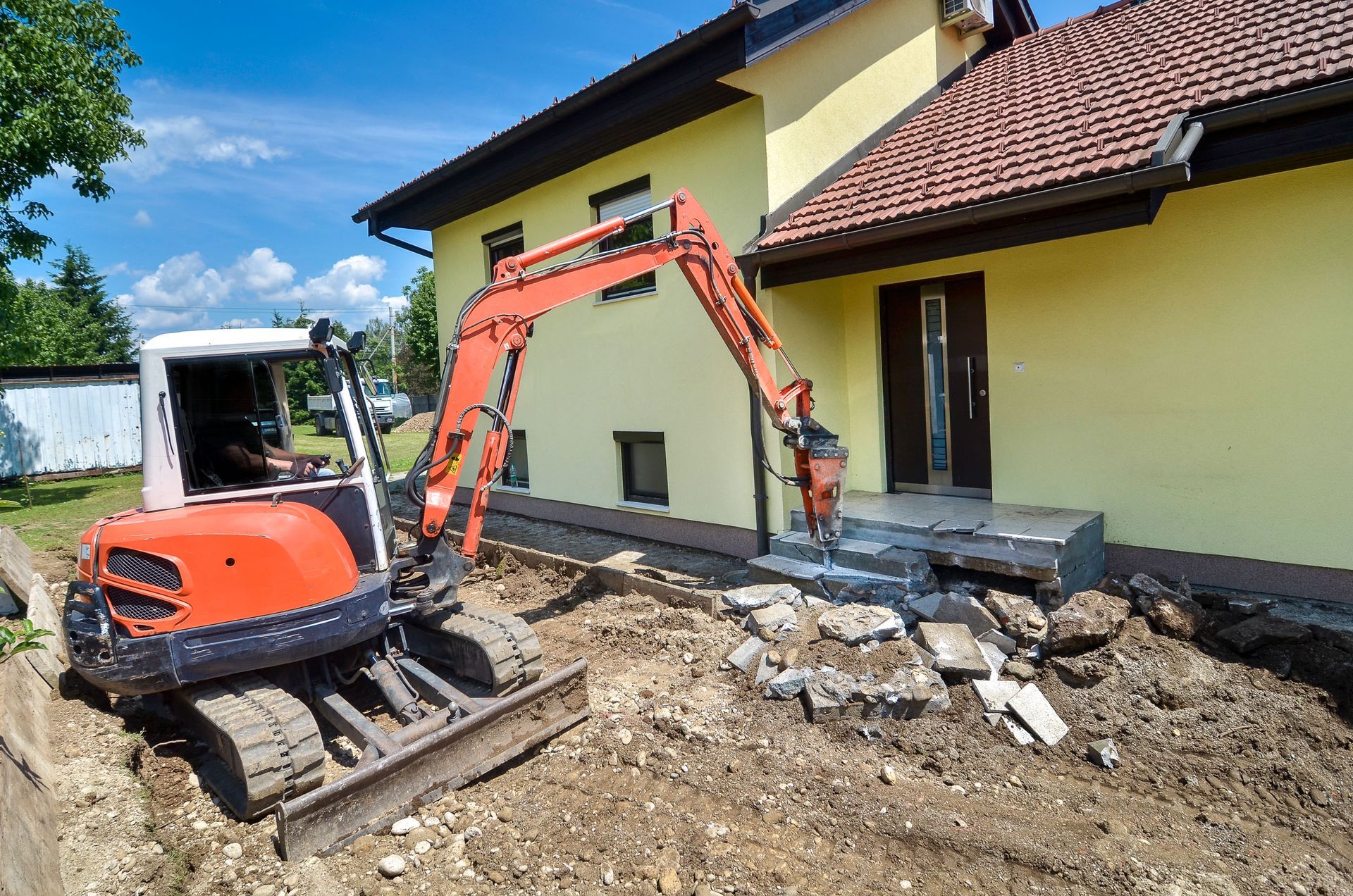
In these situations, the existing concrete stands between you and your vision. A reliable concrete removal service can take out exactly what needs to go while protecting the surrounding areas you want to keep. Precision concrete sawing allows crews to make clean, straight cuts, so only the targeted section is removed and the remaining concrete stays intact. This careful approach helps renovation projects stay on schedule and avoids unnecessary repair costs.
Site Preparation and New Construction
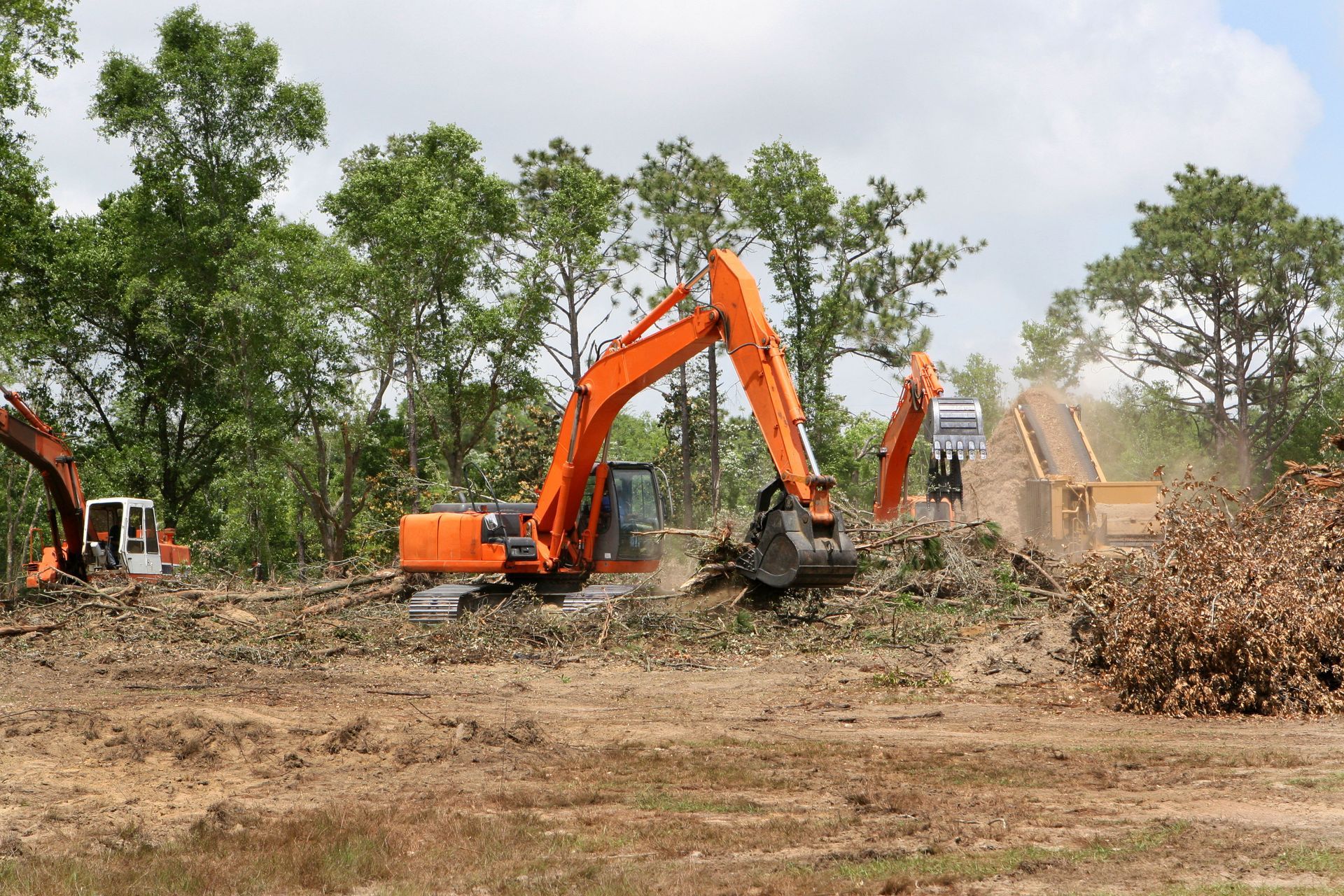
New construction projects frequently require clearing old concrete before work can begin. Old foundations, footings, slabs, and walls from previous structures must come out before excavation and building can move forward. This step is especially common on redevelopment sites, where newer projects replace older buildings that no longer meet modern needs.
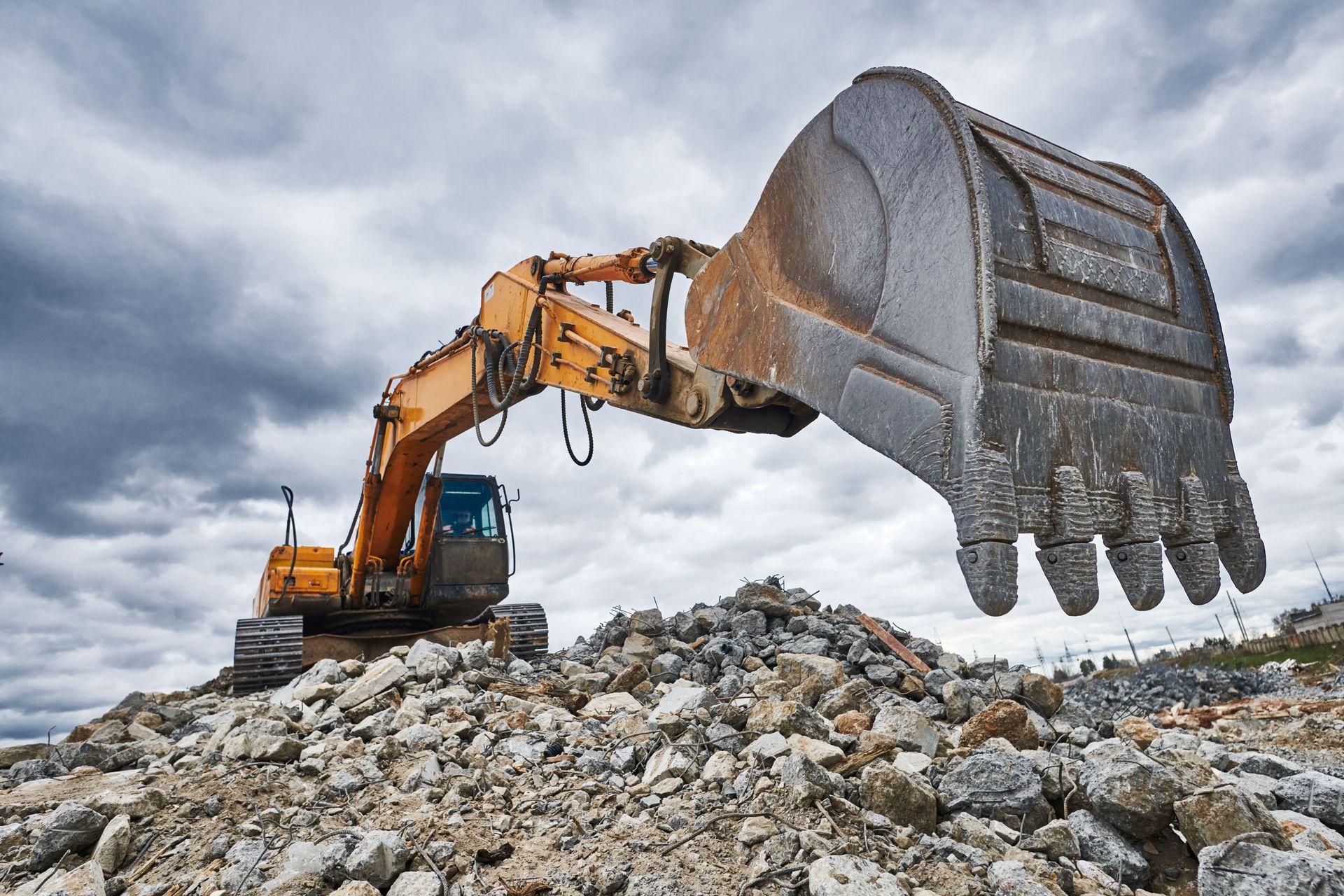
Removing this material also creates a significant amount of debris. According to the National Demolition Association, the United States produces about 600 million tons of construction and demolition debris every year, and concrete makes up one of the largest and most recyclable portions of that waste. Because of this volume, responsible hauling and disposal are an important part of any removal project. An experienced concrete removal service will handle the cleanup, transport the debris, and direct suitable material toward recycling whenever possible, leaving the site ready for excavation, grading, and construction.
Outdated and Obsolete Structures
Properties often contain concrete features that served a purpose years ago but no longer do. Old shed pads, abandoned footings, unused basement walls, and outdated retaining walls can take up valuable space and limit how you use your land. These structures may also hide underground issues, such as poor drainage or unstable soil, that only become visible once they're removed.
Taking out concrete walls and other heavy structures requires the right equipment and experience. Improper demolition can damage adjacent buildings, disrupt utilities, or create unstable conditions on the site. Working with professionals ensures the job is completed safely and efficiently, from breaking down the structure to clearing the debris and preparing the area for its next use.
Concrete removal is often necessary for reasons that go beyond appearance. Cracked surfaces, sinking slabs, safety hazards, drainage problems, renovation plans, new construction, and outdated structures all create situations where removal is the most practical solution. Recognizing these signs early can help you avoid bigger problems and plan your project with fewer surprises.
Because removal involves heavy equipment, careful cutting, and responsible debris disposal, it's not a job to tackle without experienced help. Hiring a trusted
concrete removal service protects your property, keeps your project on track, and sets the stage for a strong, long-lasting new installation.
If you're ready to clear the way for your next project, we're here to help. At Great Lakes Excavating, we provide concrete demolition and removal, concrete sawing, concrete wall removal, site cleanup, and trucking and hauling services to prepare your property for what comes next. Contact us today to request a free estimate and get your project moving.